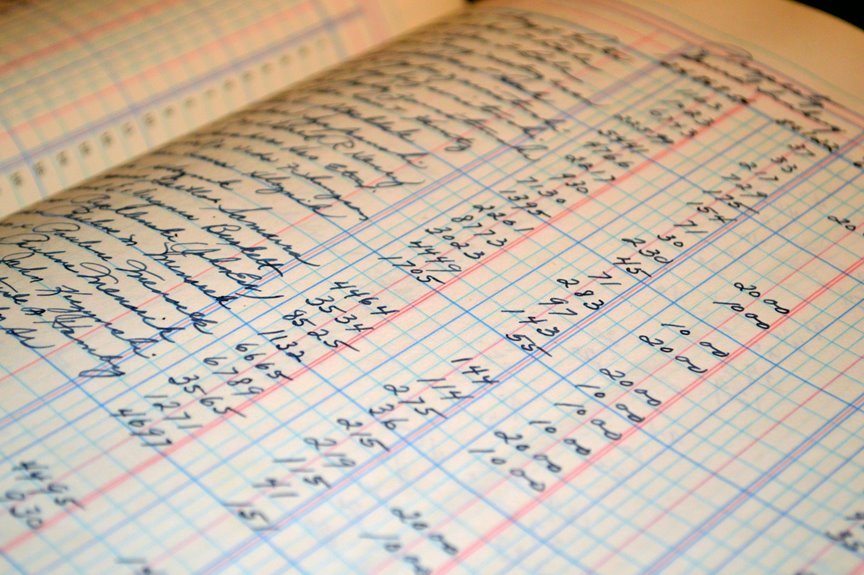
The Number Series Arrangement Ledger presents a structured examination of the selected numerical data. Each number offers unique digit arrangements that warrant analysis. Patterns and frequencies can emerge from the data, revealing insights into their relationships. The application of sorting algorithms may enhance clarity in this analysis. Understanding these elements could lead to improved predictive models in various fields, prompting a closer look at the implications of this numerical arrangement.
Understanding Number Series Arrangement
Number series arrangement is a fundamental concept in mathematics that involves the systematic organization of numerical sequences.
This process emphasizes the identification of number patterns and the application of sequence logic. By understanding these elements, individuals can discern relationships within data sets, facilitating the ability to predict future numbers and comprehend underlying structures.
Thus, empowering their analytical capabilities in a world driven by numerical information.
Techniques for Sorting Numerical Data
Sorting numerical data involves employing various techniques that enhance the organization and analysis of datasets.
Effective data sorting is achieved through various numerical algorithms, such as quicksort, mergesort, and heapsort. These methods systematically arrange numbers, facilitating easier access and analysis.
Analyzing the Example Numbers
Examining a set of example numbers reveals patterns and trends that can significantly enhance understanding of numerical relationships.
Through sequence analysis, one can identify recurring number patterns, such as digit frequency and positional significance.
Applications of a Number Series Arrangement Ledger
Although the applications of a Number Series Arrangement Ledger may vary across different fields, its fundamental utility lies in enhancing data organization and analysis.
This tool is particularly beneficial in financial forecasting, allowing analysts to identify trends and make informed predictions.
Furthermore, it aids in data visualization, presenting complex datasets in a clear, structured manner that facilitates comprehension and decision-making.
Conclusion
In conclusion, the exploration of the Number Series Arrangement Ledger reveals intriguing patterns and potential predictive capabilities hidden within seemingly random digits. As analysts delve deeper into the complexities of these numbers, the promise of enhanced financial forecasting looms on the horizon. Yet, the ultimate question remains: what unforeseen insights might emerge from this meticulous examination? The journey into numerical data is just beginning, and the possibilities could redefine our understanding of patterns in finance and beyond.